

The Morning Habits That Changed Everything (And How to Build Your Own)

Building healthy habits isn’t about motivation. It’s about structure.
Like many people, I used to believe that real change required more time, more energy, or a complete lifestyle overhaul. The truth? We all get the same 24 hours. The difference is how we use the first one.
The habit framework that changed my routine
A few years ago, I read The Miracle Morning by Hal Elrod. The premise is simple but powerful: wake up one hour earlier and use that time intentionally to work on yourself before the day takes over.
That one shift changed everything.
The book introduces a set of core morning habits — often referred to as the S.A.V.E.R.S routine — designed to support both mental and physical wellbeing.
- Silence – meditation, breathing, or simply stillness
- Affirmations – reinforcing positive identity-based beliefs
- Visualisation – mentally rehearsing success
- Exercise – movement to wake up body and mind
- Reading – learning something small each day
- Scribing – journaling or reflection
How long does it take for a habit to stick?
Despite what you may have heard, habits don’t magically form in 21 days.
Research from University College London suggests that, on average, it takes around 66 days for a new behaviour to become automatic. Some habits take less time. Others take longer.
The most important factor? Consistency.
Missing a day doesn’t ruin progress. Giving up does.
Why mornings matter more than motivation
By the time most people think about making healthy choices, they’re already tired. Work, family, notifications and decision fatigue have taken over.
Mornings remove friction.
Getting up earlier means your habits happen before excuses appear. Over time, these small wins stack up — better focus, better food choices, better energy levels throughout the day.
Supporting healthy habits with food
Habits don’t exist in isolation. Nutrition plays a key role in how consistent you can be.
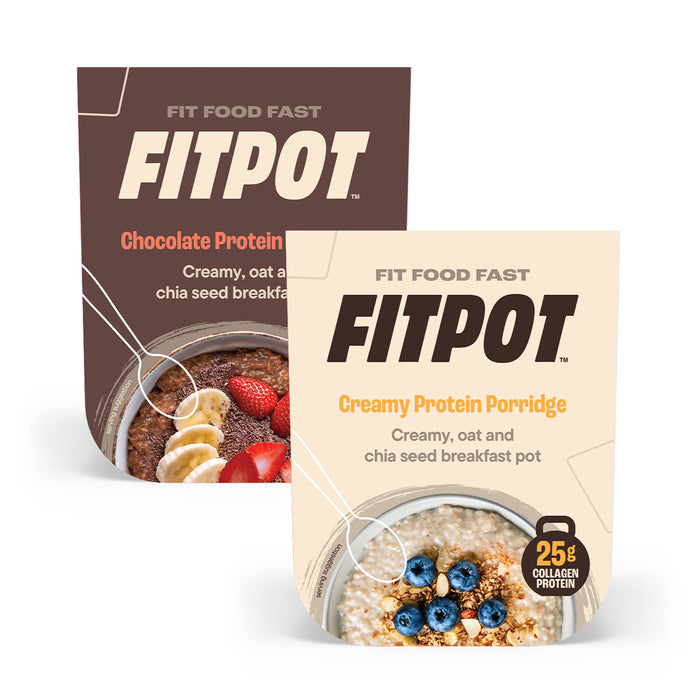
Meals that are balanced, high in protein, and ready when you need them remove another barrier. When healthy food is easy, consistency becomes achievable.
This is where structured eating supports structured living.
Start small. Stay consistent.
You don’t need to overhaul your life overnight. Start with one habit. One earlier alarm. One intentional choice.
Healthy habits aren’t built through perfection — they’re built through repetition.
This is the first post in our Healthy Habits series, where we’ll explore practical routines, nutrition strategies and lifestyle frameworks designed to fit real lives.
Because long-term health isn’t built in a day — it’s built daily.