
What Does “Nutrient Dense” Really Mean? A Simple Guide for GLP-1 Users

Nutrient dense foods are suddenly everywhere — but what does the label actually mean?
If you’ve noticed supermarkets, food brands, and headlines talking more about “nutrient dense” foods, you’re not imagining it. As more people focus on eating less but better — including those using GLP-1 medications — nutrient density has become a central part of the conversation.
But nutrient dense isn’t a marketing buzzword. It’s a real nutrition concept — and one that matters even more when appetite is reduced.
This guide explains what nutrient dense really means, why it matters, and how to apply it in everyday life — without restriction, extremes, or confusion.
What does “nutrient dense” mean?
A nutrient dense food provides a high amount of essential nutrients relative to its calorie content.
In simple terms:
-
More protein, fibre, vitamins, and minerals
-
Fewer empty or low-value calories
It’s not about eating “less", it’s about getting more from what you do eat.
For example:
-
A bowl of vegetables, lentils, and lean protein is more nutrient dense than a pastry with the same calories.
-
Both provide energy — but only one delivers protein, fibre, iron, and micronutrients your body relies on.
Why nutrient density matters more with GLP-1 medications
GLP-1 medications can reduce appetite and slow digestion. That often means:
-
Smaller portions
-
Fewer eating occasions
-
Feeling full more quickly
When that happens, every bite matters more.
Choosing nutrient dense foods helps ensure you’re still getting:
-
Enough protein to support muscle and strength
-
Enough fibre for digestion and gut health
-
Enough micronutrients to support energy and overall health
This isn’t about dieting — it’s about nutritional adequacy when appetite is lower.
If you’re exploring nutrition alongside GLP-1 use, you may also find our guide to high-protein nutrition for GLP-1 users helpful.
What makes a food nutrient dense?
Nutrient dense foods typically contain one or more of the following:
-
High-quality protein
(e.g. beans, lentils, eggs, fish, chicken, dairy)
-
Fibre-rich plants
(vegetables, wholegrains, pulses)
-
Essential micronutrients
(iron, calcium, B vitamins, magnesium)
-
Minimal ultra-processing
This doesn’t mean foods must be “perfect” — just that they pull their weight nutritionally.
Nutrient dense vs “healthy”: not always the same thing
A food can sound healthy without being particularly nutrient dense.
For example:
-
Low-calorie snacks may reduce intake but offer little nutrition
-
Highly processed “diet” foods can lack protein and fibre
Nutrient density focuses less on labels and more on what your body actually receives.
This shift is why many supermarkets are starting to use nutrient density language — it reflects how people are eating now.
Practical ways to eat more nutrient dense — without overthinking it
You don’t need to track nutrients or count calories. Small habits go a long way:
-
Prioritise protein first at meals
-
Include at least one fibre-rich plant per plate
-
Choose meals that combine protein + veg + slow-release carbs
-
Aim for consistency, not perfection
These principles work whether you’re cooking at home or choosing ready meals.
If consistency is your biggest challenge, explore more content in our
healthy habits and meal planning sections.
Where FitPot fits into nutrient dense eating
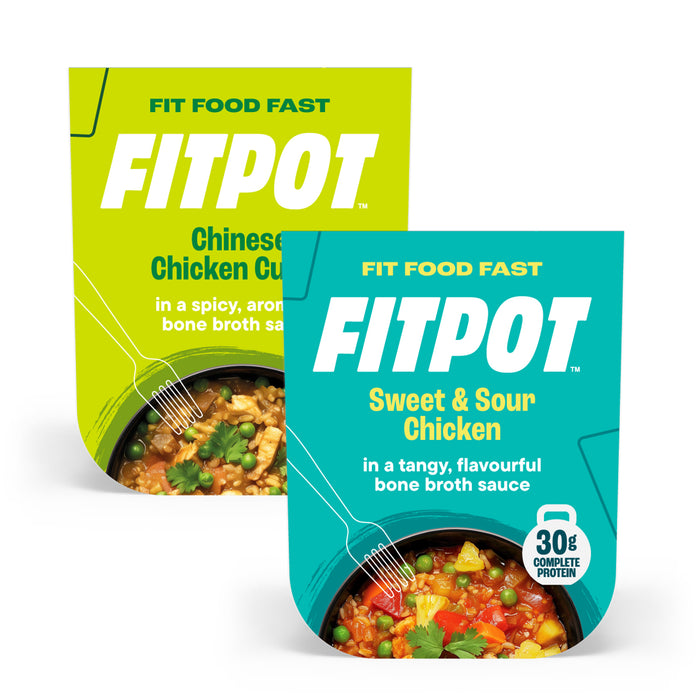
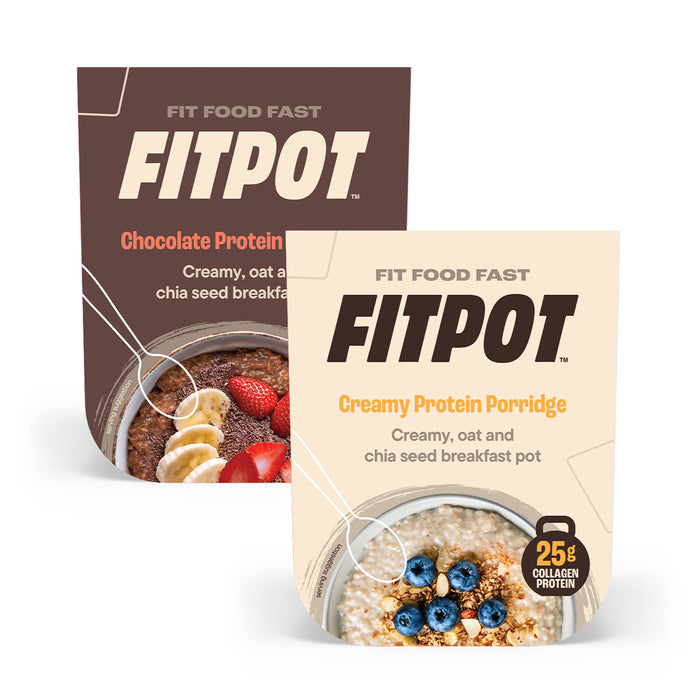
At FitPot, we design meals around protein density, fibre, and real ingredients — to make nutrient dense eating easier when time, appetite, or motivation are limited.
Our approach isn’t about restriction or rules. It’s about:
-
Supporting better choices
-
Reducing decision fatigue
-
Making consistency achievable
If you’re interested in practical, protein-forward meals built for real life, you can explore our range of ready meals designed to support sustainable habits.
The takeaway
Nutrient dense eating isn’t a trend — it’s a response to how people actually live and eat today.
Especially when appetite is reduced, quality matters more than quantity.
Focus on foods — and habits — that give you more nutritional value per bite, and you’ll be building a foundation that lasts.